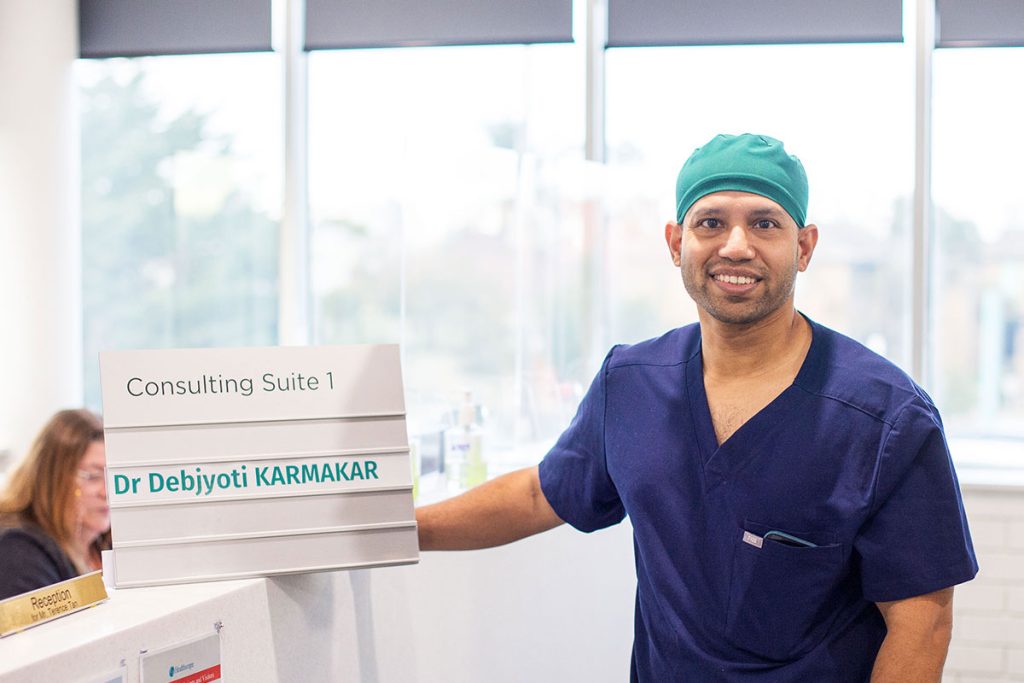


Urinary incontinence affects millions of women worldwide, and while it is common, it is never “normal.” Many women suffer in silence, feeling embarrassed or resigned to symptoms that limit their daily life. The good news is: effective, safe, and personalised treatments are available, and support begins with an open, respectful conversation.
The two most common types of urinary incontinence are stress urinary incontinence (SUI) and urge incontinence, though many women experience a combination of both, known as mixed incontinence.
- Stress incontinence occurs with coughing, laughing, sneezing, or physical exertion.
- Urge incontinence, often part of overactive bladder (OAB), involves a sudden, intense need to urinate—sometimes with leakage before reaching the toilet.
Diagnosis and Assessment
Diagnosis begins with a detailed history and physical examination, often supported by tests such as:
- Bladder diaries
- Urinalysis
- Ultrasound to check bladder emptying
- Urodynamic studies, especially in complex or recurrent cases
First-Line Treatments
Initial treatments focus on non-invasive methods such as:
- Pelvic floor muscle training (PFMT), guided by physiotherapists
- Bladder retraining for urge symptoms
- Lifestyle modifications, including weight management and avoiding bladder irritants like caffeine
These conservative strategies are effective for many women and often serve as the first step before considering procedural options.
Surgical Options – Mesh-Free Alternatives
For women whose stress incontinence does not improve with conservative treatment, surgical options may be considered. While midurethral slings (which use synthetic mesh) have been widely used, increasing public concern about mesh complications has led to a renewed focus on mesh-free alternatives.
Dr Deb Karmakar and colleagues have led large comparative studies evaluating open Burch colposuspension against the retropubic midurethral sling in over 1,300 women. Their findings confirm similar long-term effectiveness and patient satisfaction between the two, with:
- 83–85% success rates at follow-up
- Similar rates of patient-reported improvement and recommendation to others
- Very low reoperation and chronic pain rates
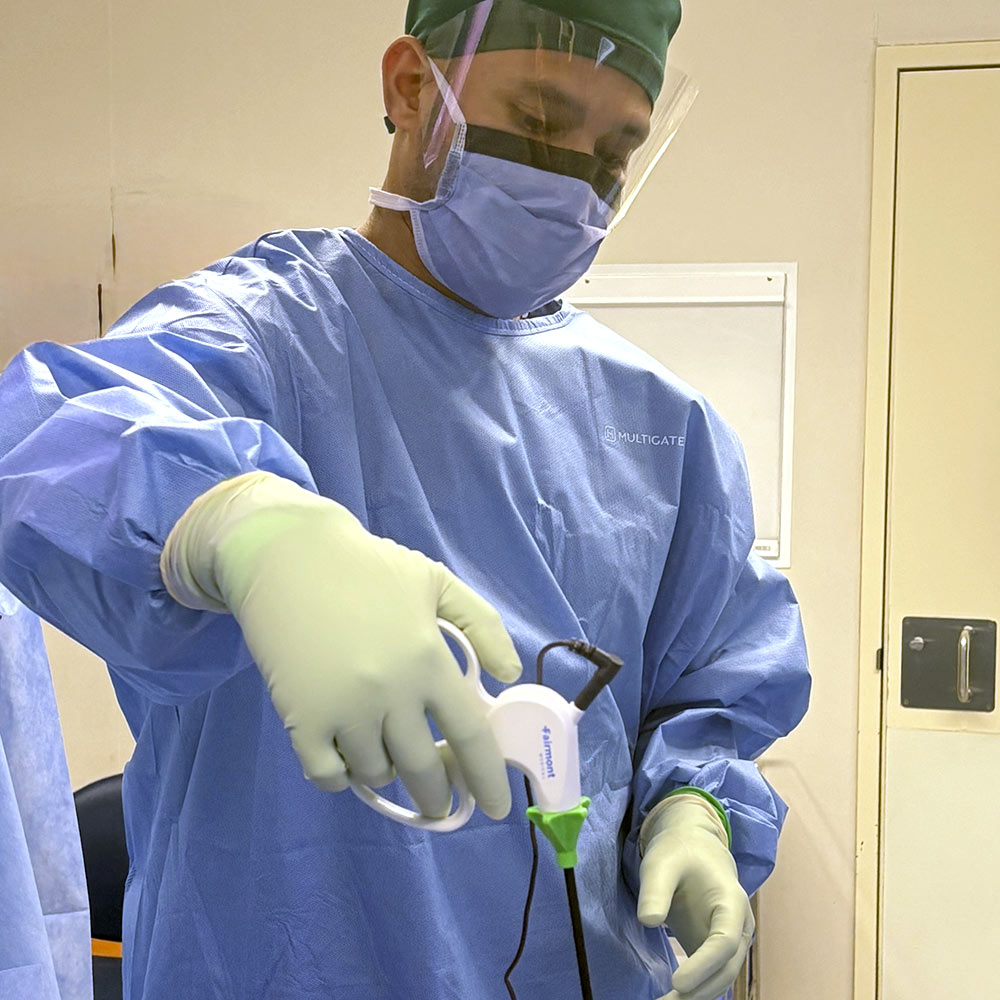
- Slightly higher risk of posterior prolapse repair after Burch, but no increased risk of voiding dysfunction or urge symptoms. Dr Karmakar is one of the few surgeons in Victoria who offers keyhole(laparoscopic) Burch mesh free procedure.
Other non-mesh surgical options include:
- Autologous fascial sling, using the patient’s own tissue for urethral support
- Bulking agents, injected into the urethra to reduce leakage—ideal for minor leakage or those unfit for surgery
Managing Urge Incontinence
For women with overactive bladder or mixed incontinence, treatments may include:
- Bladder retraining and behavioural strategies
- Medications to relax the bladder muscle
- Botulinum toxin injections, tibial nerve stimulation, or sacral nerve modulation for persistent symptoms
Citation:
Karmakar, D., Dwyer, P. L., Murray, C., Schierlitz, L., Dykes, N., & Zilberlicht, A. (2021). Long-term effectiveness and safety of open Burch colposuspension vs retropubic midurethral sling for stress urinary incontinence—results from a large comparative study. American journal of obstetrics and gynecology, 224(6), 593-e1..
Empowering Women Through Informed Choices
Dr Karmakar’s clinical philosophy emphasises shared decision-making, offering patients a clear understanding of risks, benefits, and long-term expectations. Whether pursuing conservative care or considering surgery, the goal is the same: restoring confidence, dignity, and control.