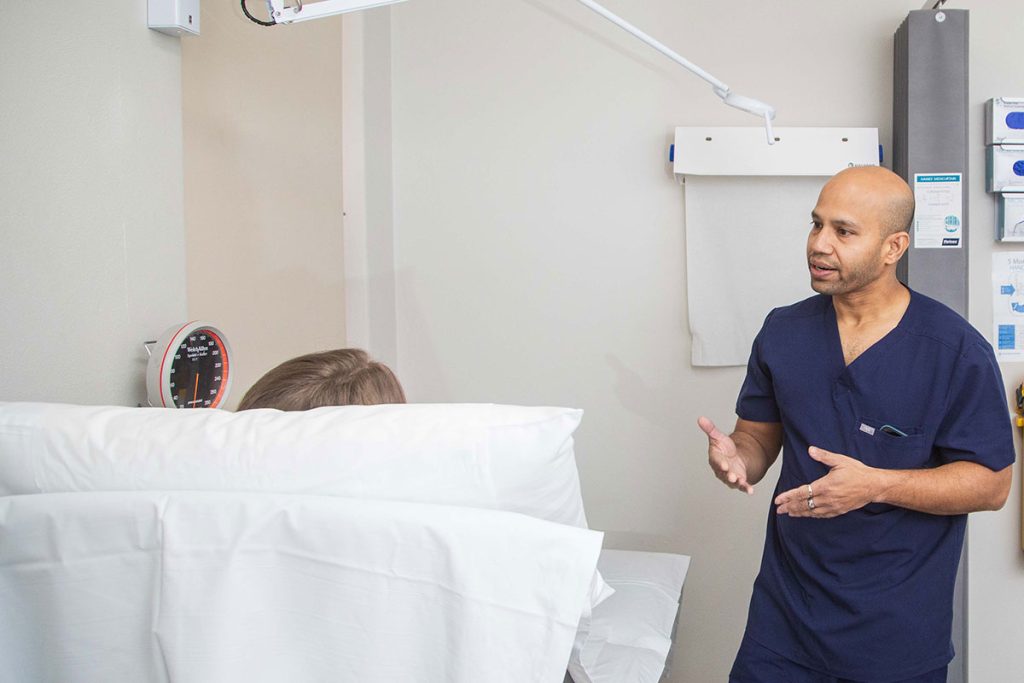


Bowel incontinence (Accidental Bowel Leakage) – also known as fecal incontinence – is the involuntary leakage of gas, liquid, or solid stool. It is more common than many realise, affecting up to 15% of women at some stage in their lives. Despite being distressing, isolating, and often hidden, it is also treatable. Dr Deb Karmakar provides comprehensive and compassionate care that focuses on restoring confidence, control, and quality of life.
Causes and Risk Factors
Bowel control relies on a finely tuned system of muscles, nerves, and pelvic support structures. When these are weakened or damaged—often through childbirth or surgery—leakage may occur.
Common causes include:
- Obstetric injuries, especially forceps-assisted deliveries or severe perineal tears (OASI)
- Nerve damage, such as pudendal neuropathy during delivery
- Pelvic or rectal prolapse
- Prior anorectal or pelvic surgery
- Neurological conditions (e.g. multiple sclerosis, spinal injury)
- Radiation therapy to the pelvic region
Often, damage sustained during childbirth may remain unnoticed until later in life when symptoms begin to appear.
Assessment and Diagnosis
Assessment begins with a thorough and respectful discussion of symptoms, medical history, and impact on daily life. Diagnostic tools may include:
- Anorectal manometry to measure muscle tone and nerve responsiveness
- Endoanal ultrasound to detect tears or defects in the sphincter muscles
- Pelvic MRI or advanced imaging in complex cases
Dr Karmakar works closely with colorectal surgeons and pelvic floor physiotherapists, ensuring each woman receives holistic and multidisciplinary care. He was also awarded a grant to establish a publicly funded anorectal physiology clinic at the Women’s Health Department at Western Health—improving access to specialist investigations for women in need.
Treatment and Management
While confronting bowel incontinence can feel overwhelming, many women regain control with the right support and treatment. Options include:
Conservative Approaches:
- Pelvic floor and sphincter exercises, often with physiotherapist-guided biofeedback
- Bowel retraining programs to improve awareness and muscle coordination
- Dietary adjustments to regulate stool consistency and frequency
- Skin care strategies and continence aids for comfort and hygiene
Advanced Therapies:
- Medications to reduce bowel overactivity or firm stool
- Sacral nerve stimulation, an implantable device that improves nerve signalling and continence
- Posterior tibial nerve stimulation, a minimally invasive option
- Anal bulking agents, injected to support the anal canal
Surgical Options:
- Sphincteroplasty to repair damaged muscle rings
- Rectal prolapse surgery where indicated
- In complex cases: graciloplasty, artificial sphincters, or stoma formation may be considered
All surgical decisions are made in partnership with experienced colorectal colleagues and tailored to each woman’s individual needs and goals.
Restoring Confidence and Control
Dr Karmakar and his team provide empathetic, judgment-free care to help women navigate the challenges of bowel incontinence. Through expert assessment, personalised therapy, and multidisciplinary support, women are empowered to regain control, improve quality of life, and return to the activities they value most.